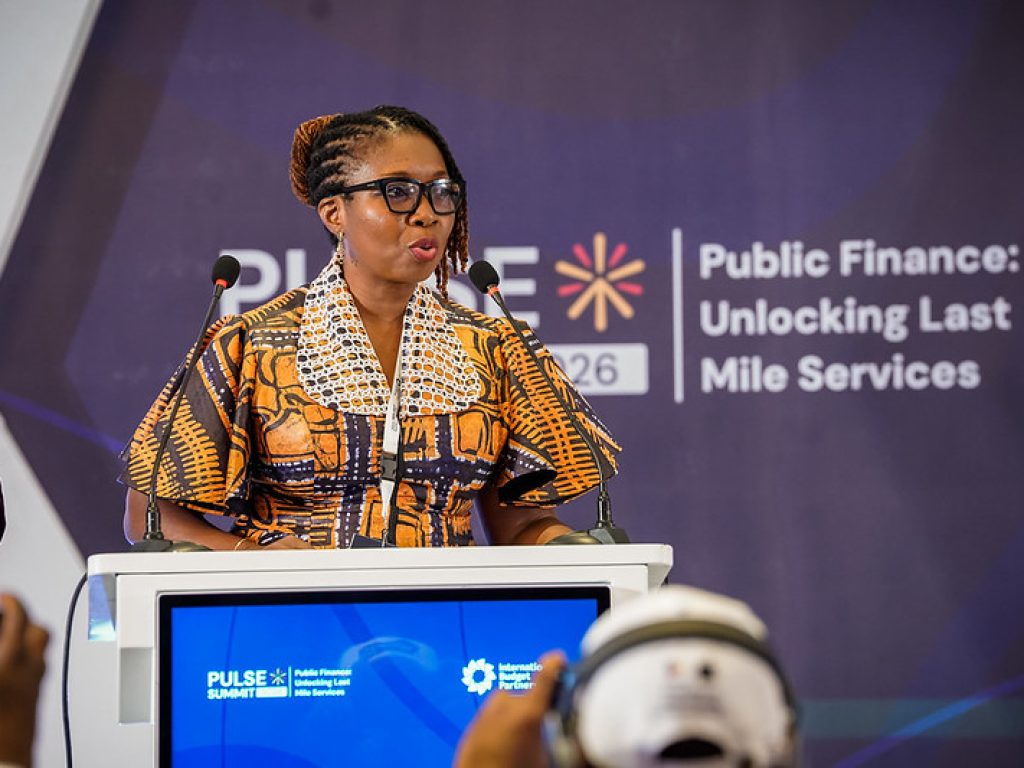
The real measure of public finance is not only whether revenue is collected, loans are secured or budgets are approved and implemented. It is whether these resources ultimately translate into quality, timely public services that ordinary Nigerians can see and experience in their communities.
Dr. Yinka Babalola, Country Director, IBP Nigeria
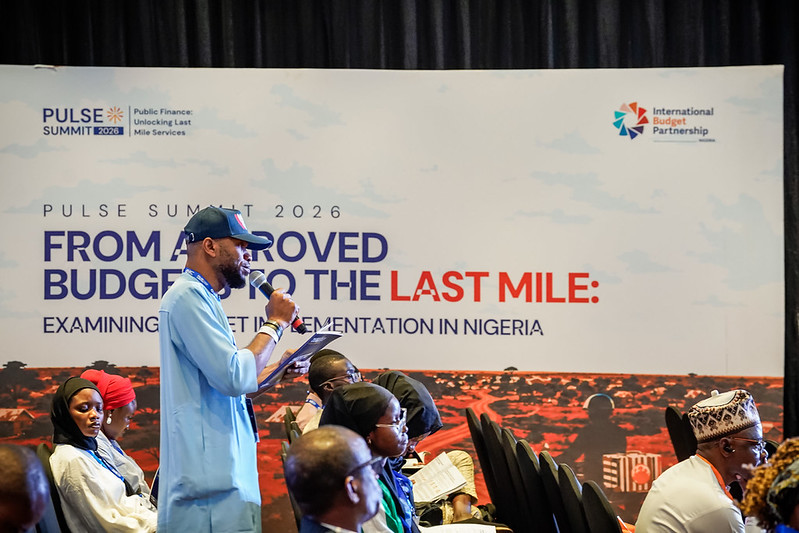
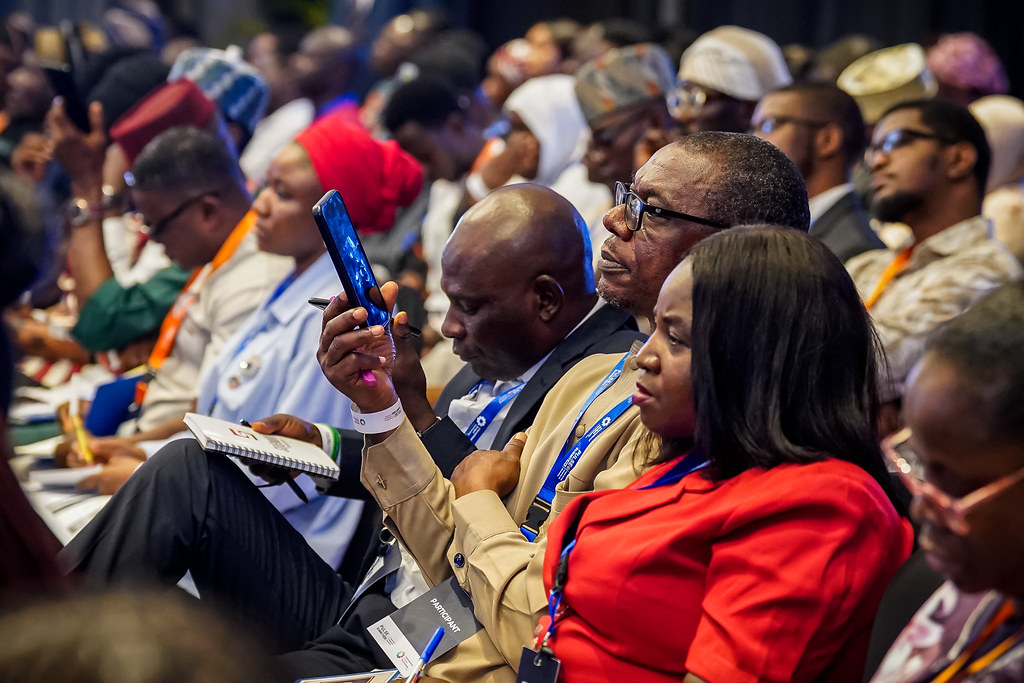
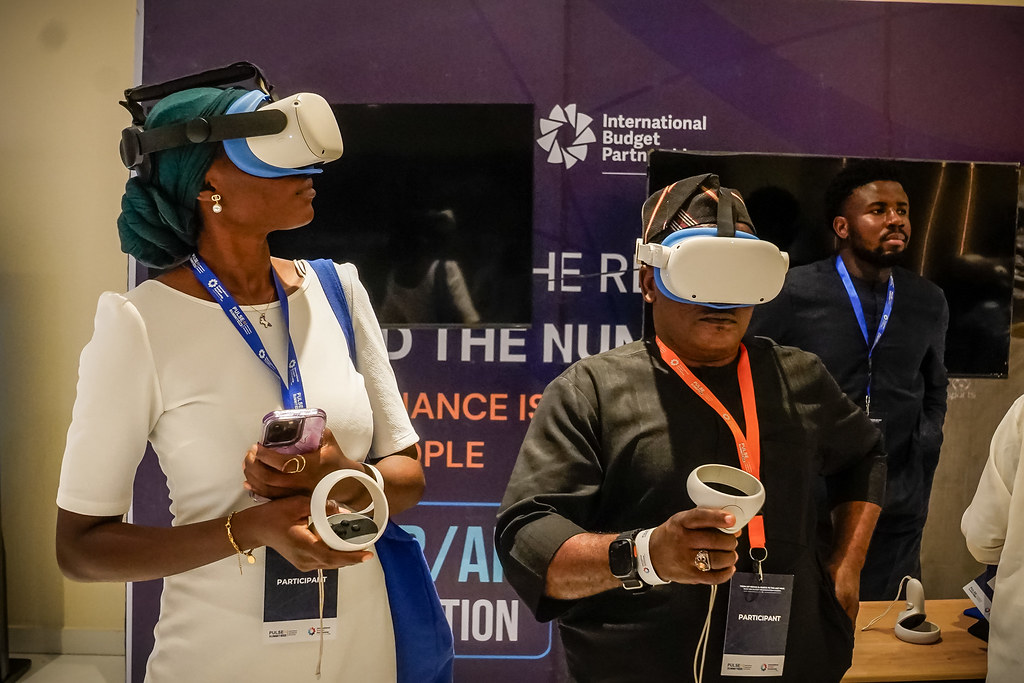
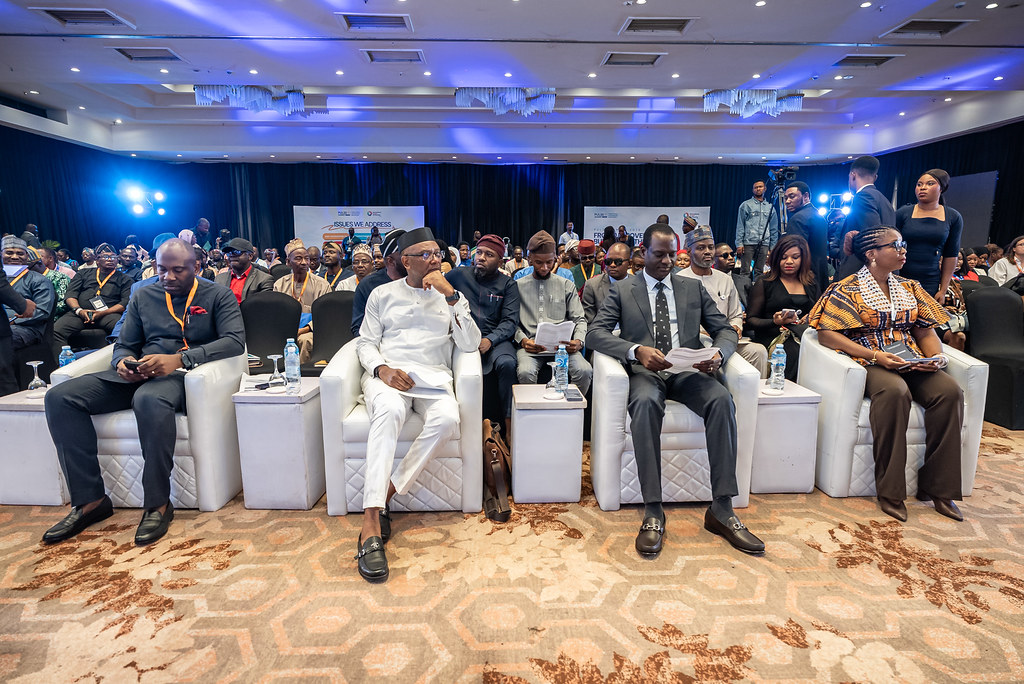
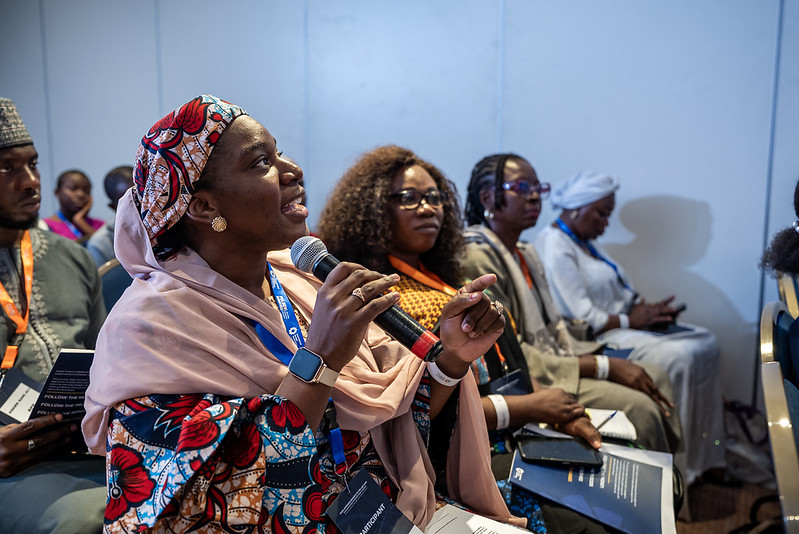
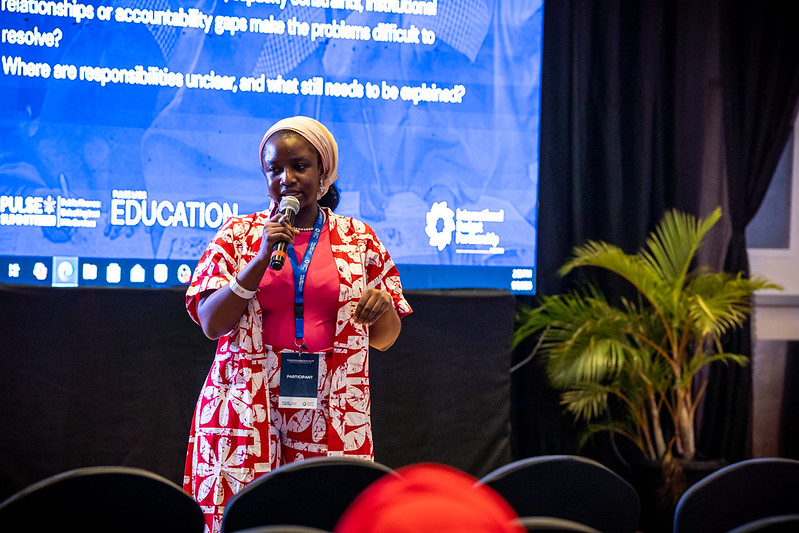
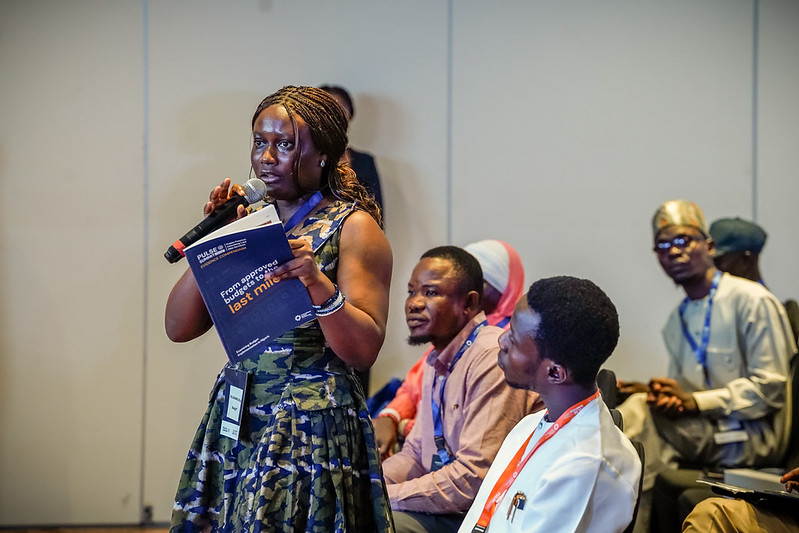
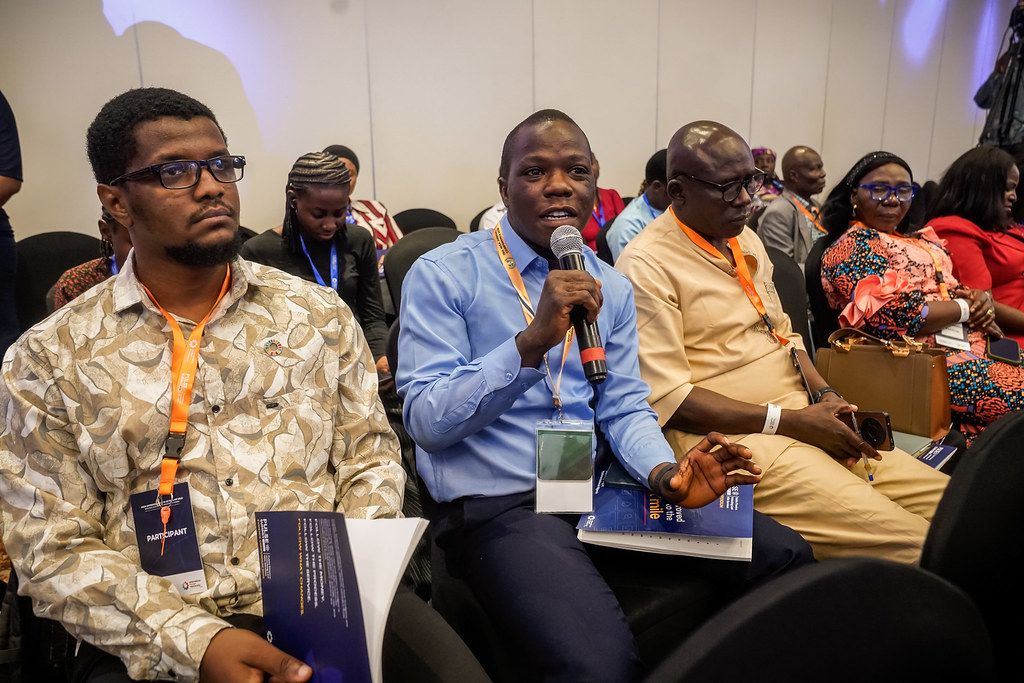
A budget can be approved. Funds can be released. But what happens after that? For citizens, the real test of public finance is whether public resources translate into the services they need: from functioning schools and health facilities to reliable water systems and social protection. This was the central question of the Public Finance: Unlocking Last-Mile Services (PULSE) Summit, an annual accountability platform convened by the International Budget Partnership (IBP) Nigeria. PULSE brings government, oversight bodies, civil society, journalists, citizens and development partners together to unpack what happens between budget approval and service delivery and commit to fixing gaps in the process together.
The inaugural PULSE event, held on 3rd September 2026, explored this journey under the theme “From Approved Budgets to the Last Mile Services: Examining Budget Implementation in Nigeria.” The discussion looked beyond budget figures to ask where implementation gaps occur, why they persist, and what different actors can do to address them. The message was simple: an approved budget is only the beginning. For public finance to make a difference, commitments must translate into action, and that action must be visible, trackable, and accountable.
Where Public Finance Meets Everyday Life
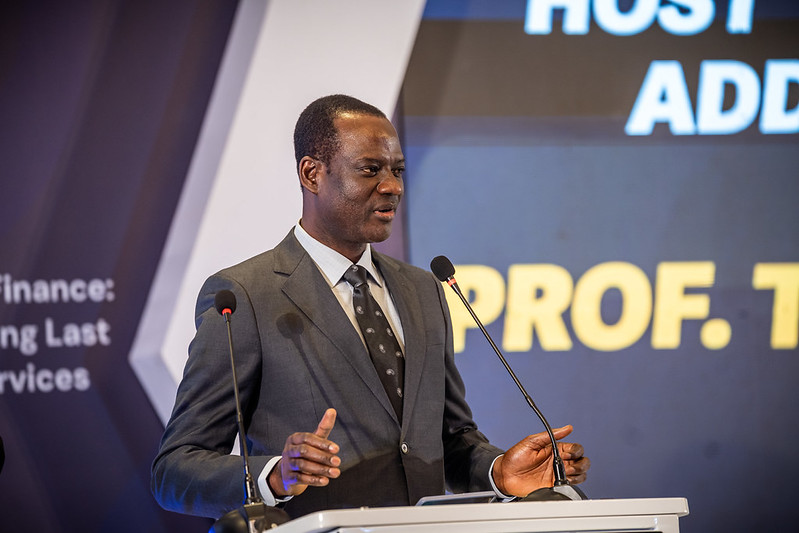
As Prof. Taiwo Oyedele, the Honourable Minister of Finance and Coordinating Minister of the Economy, put it:
A budget approved is a promise made, a budget delivered is a promise kept.
The gap between what is approved in a budget and what is delivered can emerge at several points. Revenue may fall short of projections; releases can be delayed, procurement can take time, and implementation capacity can vary across states and local governments. Even when funds are released, citizens may have limited visibility into what has actually been delivered. For citizens, however, these are not simply administrative gaps. They determine whether a health center has medicines, whether a child has a conducive classroom or whether a community has access to functioning water services.
A mother who arrives at a primary health care center and finds no essential medicines does not experience the budget as an appropriation but experiences frustration and resentment with the state. A child in an overcrowded classroom does not experience the budget as a line item but frustration at not having a conducive environment to learn and grow. A community whose water scheme has stopped working doesn't experience it as a procurement certificate; they experience it as a threat to healthy living. Citizens experience government at the point where a public promise becomes a functioning service or fails to become one.
Dr. Joe Abah, Regional Director for Africa at DAI and former Director General of the Bureau of Public Service Reforms
This is the essence of the last mile. Approval is not the same as release; release is not procurement; procurement is not implementation; and implementation does not automatically result in a functioning or sustainable service. Public finance therefore has to be understood not only through what government budgets and spends, but what those resources make possible in people’s everyday lives. Strong systems are needed to move resources where they are needed and to make implementation visible and accountable to people’s needs.
Five PULSE Labs, Five Pathways to Action
PULSE organized participants into five thematic Labs, each focused on identifying specific gaps in the public finance-to-service delivery chain and developing practical actions to address them. Across the Health, Education, Public Debt Accountability, Social Protection and Water, Sanitation and Hygiene (WASH) Labs, participants moved beyond asking ‘what government should do’ to outlining what will be done, by whom, at what cost and how progress will be tracked.
1. Health Lab: From Budget to Better Health Services
We found out that the money is there, but the states are not able to have that capacity to access the [public health] funds.
Abdul Malikah, Connected Development
The Health Lab highlighted a persistent gap between what is budgeted for health and the services that ultimately reach people. Participants traced it to bottlenecks in planning, fund releases, procurement, and facility financing. Sometimes the money exists but can’t be reached. State and local government health authorities, for instance, often struggle to draw from available federal health funds because they lack the systems or capacity to meet planning, financial management and reporting criteria those funds require.
Better health outcomes depend not just on more funds, but on institutions that can access and manage that money, and turn it into medicines, working facilities and better care. The discussion pointed to the need for stronger tracking of health funds, better-connected planning and budgeting, sustainable financing for routine operations and stronger accountability throughout the service delivery chain.
2. Public Debt Accountability Lab: From Debt Commitments to Accountability
The Debt Lab focused on whether Nigerians can trace public borrowing to better understand why a loan was taken and what it delivered. Participants highlighted gaps in transparency, weak oversight, and limited project-level tracking, making it difficult to connect borrowing decisions to public results. They called for clearer borrowing rules, stronger legislative scrutiny, and a public mechanism for tracking loans through to the completion of projects for which the loan was used.
3. Water, Sanitation and Hygiene (WASH) Lab: From Commitments to Last-Mile Delivery
The WASH Lab shifted attention from simply building infrastructure to keeping services working. Participants highlighted shortfalls between approved budgets and actual releases, the effects of inflation and inadequate funding for operations and maintenance. As one participant raised, “before [the funds] are actually being released, inflation has set in,” reducing the value of public resources available for WASH infrastructure. The discussion also emphasized local capacity and community ownership, with participants calling for WASH budgets to invest not only in construction but also in the people and systems needed to maintain facilities over time.
4. Education Lab: From Budget to Better Learning
The Education Lab participants pointed to broad budget lines, weak needs assessments, limited monitoring and insufficient attention to teacher capacity. Participants also emphasized the importance of involving teachers, parents and students in the design of education policies they are expected to implement, helping to ensure that policies reflect classroom realities and needs. The Lab called for more targeted, needs-based budgets, stronger tracking, and better alignment between policy, spending and learning outcomes.
5. Social Protection Lab: From Budget to Social Protection
The Social Protection Lab explored why support intended for marginalized households does not always reach them fully, reliably or on time. Participants highlighted fragmented beneficiary data, payment delays, inaccessible delivery channels and deductions by intermediaries. One example captured the problem starkly: “If a conditional cash transfer [from the government to a person] is supposed to be 5,000 naira.. by the time it actually reaches the [person], they’re only getting 3,500 naira.” The Lab called for better-connected social registers, appropriate payment systems, stronger grievance mechanisms and greater transparency in the movement of funds so that social protection reaches people at the last mile.
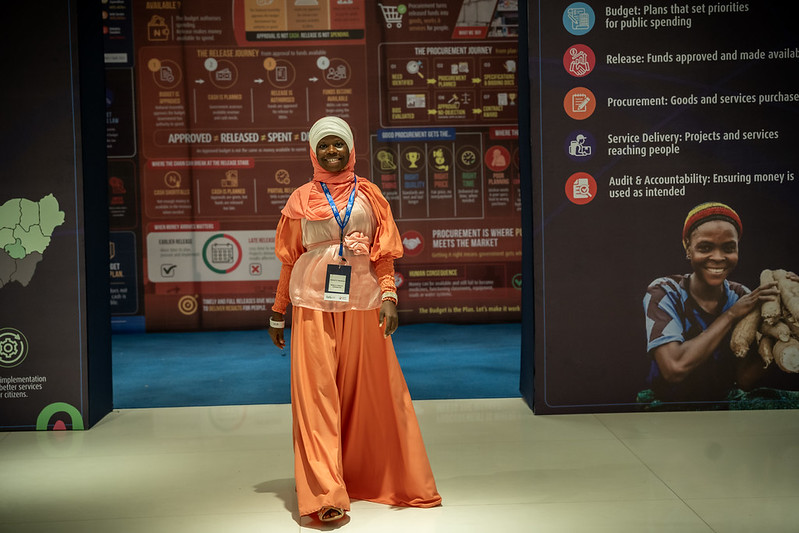
Moving from approved budgets to the last mile requires connecting commitments to resources, resources to implementation, and implementation to measurable improvements in people’s lives. The last mile is where public finance becomes real—from allocation to a functioning health center, a classroom, a water system or a cash transfer reaching a family that needs it. And it is where citizens decide whether a government promise has simply been made, or whether it has actually been kept.
The inaugural PULSE Summit is only the beginning. In the coming weeks, follow-up insights and reports will dive deeper into the inputs from the five PULSE Labs, highlighting the evidence, challenges, commitments and actions emerging from each. Together, these next steps will keep the commitments made at PULSE visible, support follow-up through the Reform Tracker, and show how public finance can move from evidence to action, commitments to accountability and ultimately to measurable improvements in people’s lives.

As the Honourable Minister of Finance and Coordinating Minister of the Economy, Prof. Taiwo Oyedele, challenged participants:
Treat every commitment you make in your labs as if it were a budget line: costed, owned and reportable. The Ministry of Finance will engage constructively with the reform agenda and the reform tracker, because a credible tracker, developed and implemented in partnership with civil society, strengthens rather than threatens the value of public investment in these sectors. To our development partners and responsible civil society organizations, hold us all accountable for what we have said here, and be precise about what success should look like a year from now.