Decision-makers may not have a complete picture of the realities of healthcare in their country. Civil society organizations, on the other hand, are often closer to the communities and public services they rely on. It’s been a great opportunity to learn about tools developed by civil society around the world to monitor budgets and health spending.
Karim Trabelsi, Independent expert and OBS researcher / Economic Advisor, Tunisian General Labor Union
This past month, I attended the World Health Summit in Berlin where leaders from 130 countries brought into stark relief the stakes for health efforts globally. Steep aid cuts and several efforts such as the Accra Reset are reshaping how global health efforts are funded and coordinated. As momentum grows for greater country ownership over health financing, many governments are under pressure to ensure their health budgets deliver and to drive better health outcomes despite mounting fiscal constraints. But to do so, many Summit-goers acknowledged that governments must place communities at the center of health financing, planning and decision-making. Communities know firsthand the issues they face when accessing care and can help government address blind spots and bottlenecks that prevent health budgets from delivering quality services at the last mile.
Start with the problem, then follow the money
The summit’s emphasis on community involvement echoed a question we and our civil society partners had explored earlier this year: how can communities and civil society help ensure that public health budgets translate into reliable services?
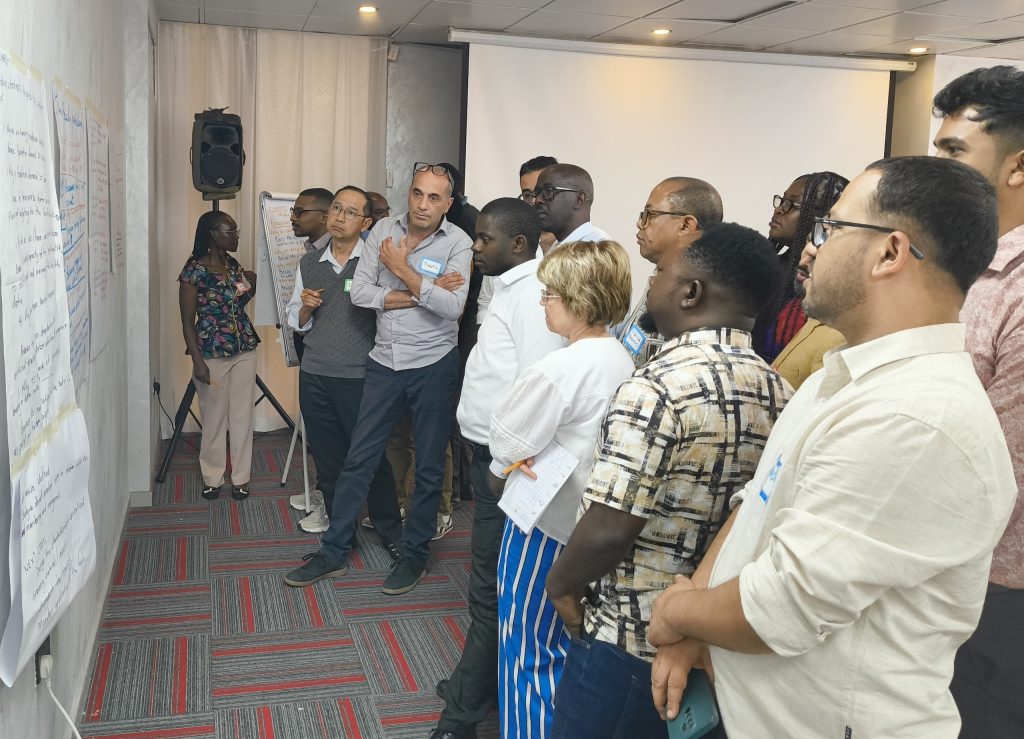
Participants review group outputs posted on the walls at the peer-learning in Nairobi
In July, our Peer-Learning Exchange on Health Expenditure Monitoring in Nairobi, Kenya brought together civil society organizations from 17 countries across Africa, Asia, Europe and the Middle East for three days of shared learning on how civil society can help close the gap between health budgets and services.
If you don't ask questions about the problem, solving it will not be easy. It's like going to a hospital without being diagnosed. How would you know what medicine to use? In the process of asking questions, people are empowered, communities are empowered and they take ownership of the problem and how they are going to solve it.
Samwely Mkatwa, Program Officer, Policy Forum, Tanzania
We discussed how to effectively design and apply a problem-driven approach, which starts by identifying the concrete public financial management bottlenecks that prevent health budgets from delivering better care. Patients may find essential medicines unavailable at their local clinic because funds for replenishing stocks are released late.
By tracing the issue back through the budget process, we can investigate what is causing the delay. The issue might be an unclear or poorly coordinated approval process between the health and finance ministries. Identifying this and bringing the data to budget officials can often resolve the delay. The focus then shifts from “medicine shortages” to a specific administrative and institutional problem that can be examined and improved.
Different countries, shared health system challenges
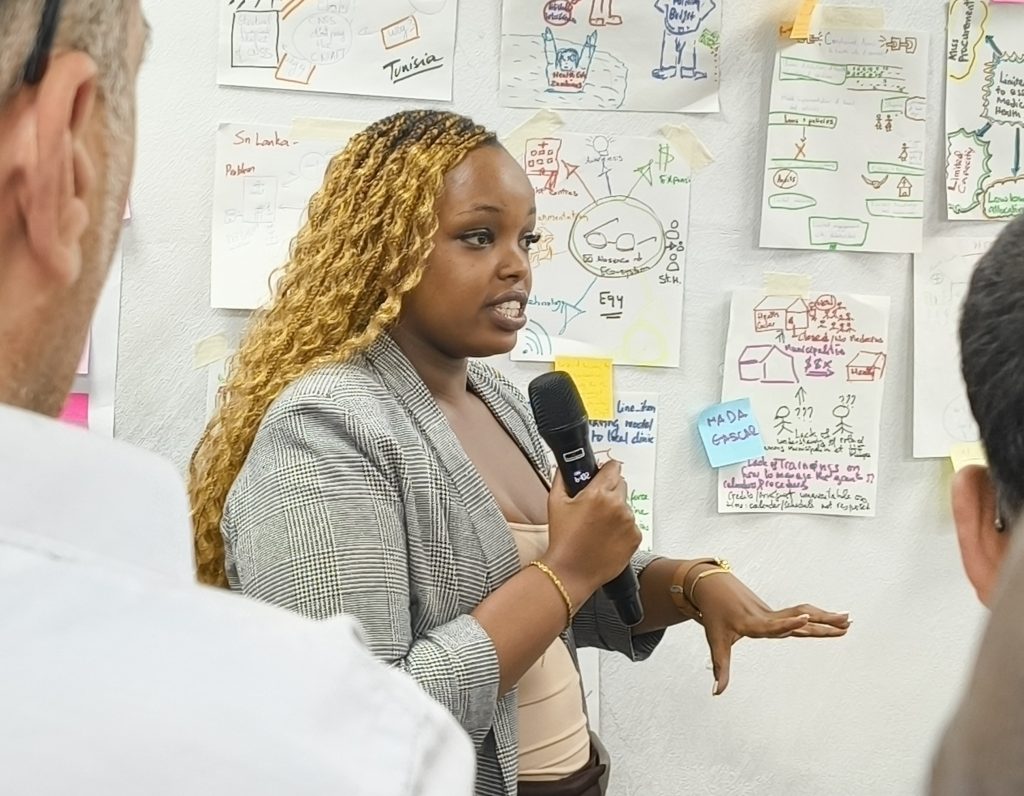
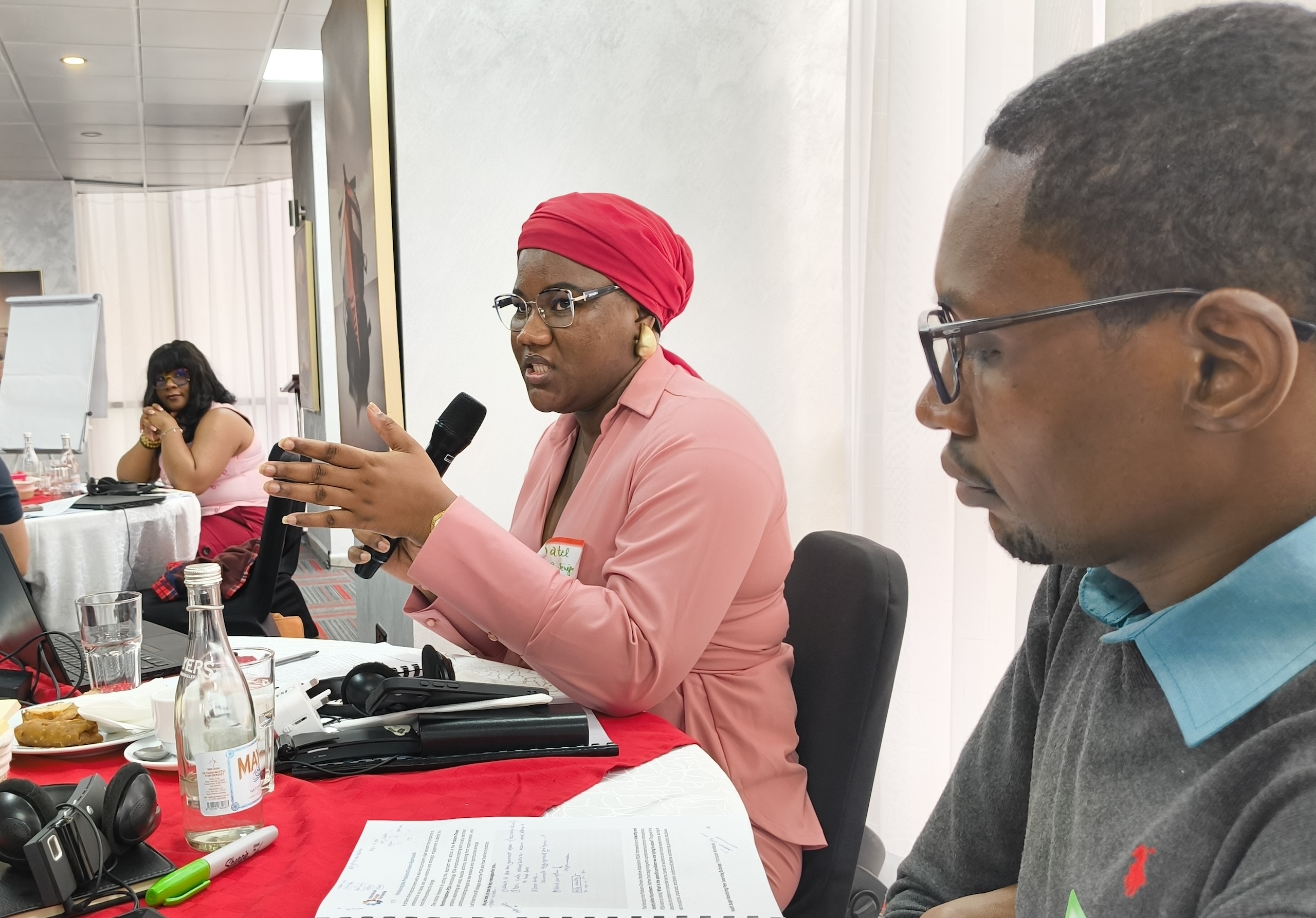
A participant presents her group’s work during a practical exercise at the peer-exchange
In Nairobi, one thing became clear: despite different contexts, communities faced many of the same problems. A central piece of the learning was the case study by our Nigeria office, whose team shared their recent work: Improving Budget Credibility in Nigeria’s Health Sector. This experience shows how a problem-driven approach can connect budget execution to health services. In Oyo, Ogun, and Niger states, IBP, civil society and government partners traced health funds from approval to spending and combined budget data with checks at health facilities to identify practical bottlenecks, including delayed cash releases and procurement coordination challenges that keep clinics from having the supplies, equipment and other resources they need. They then focused on a few solvable problems and used evidence-based dialogue with officials and communities to support changes such as more predictable funding and stronger follow-up on budget execution and project implementation, helping budgets better meet frontline health needs.
Problem, Public Funds, People: Three key lessons from Nairobi
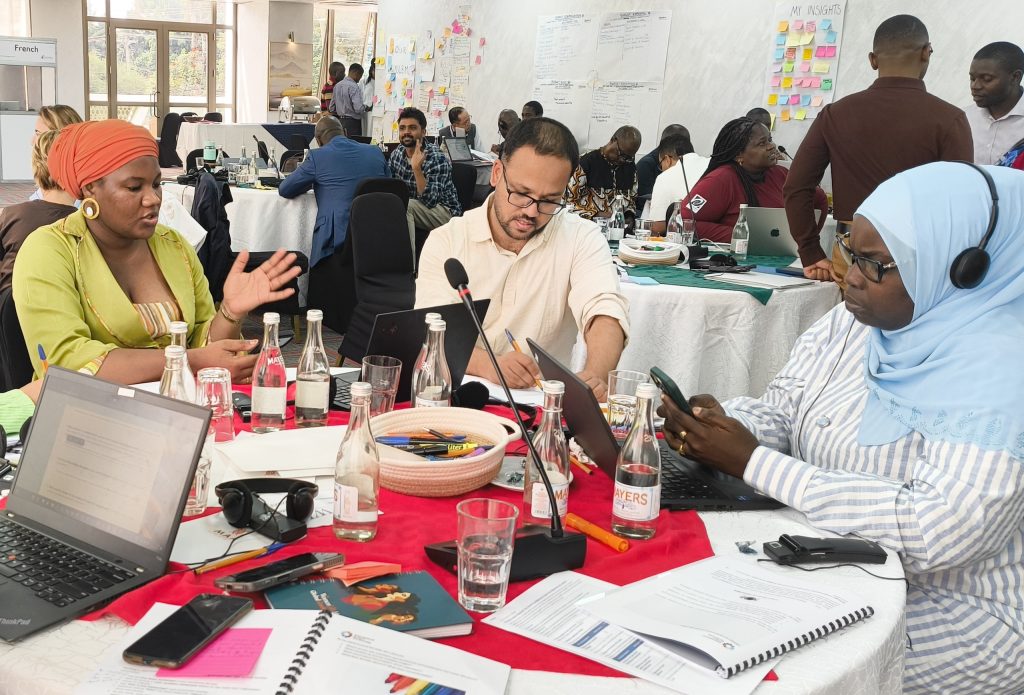
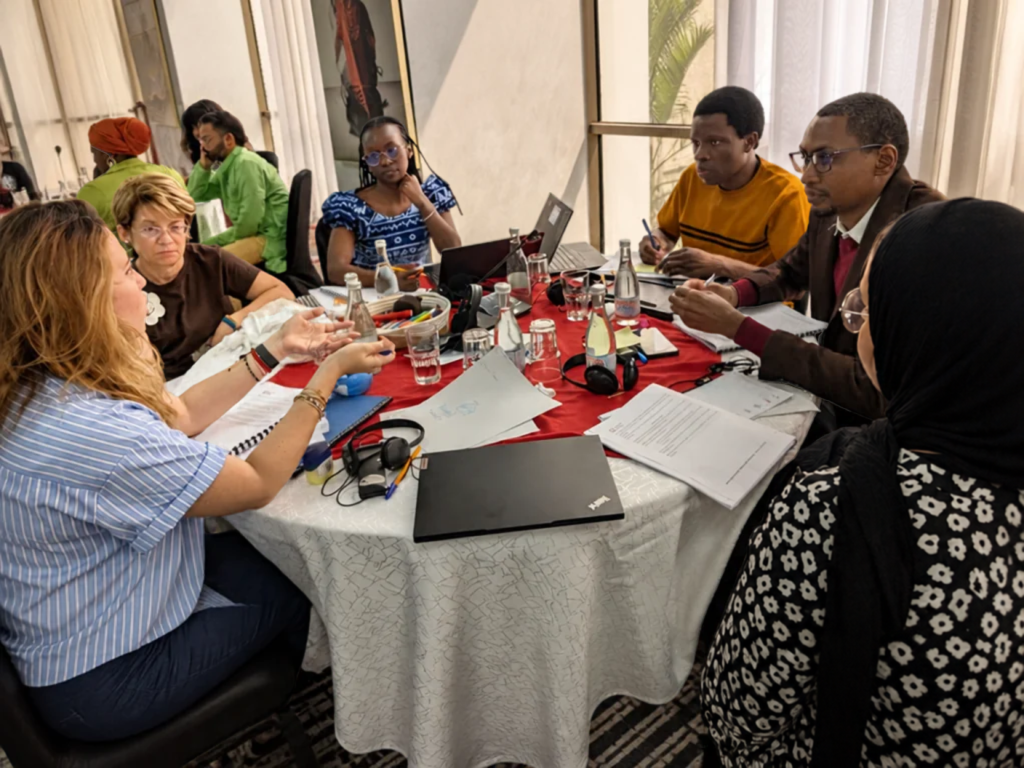
Participants share and compare experiences in a small-group discussion
The Nairobi peer learning exchange highlighted three important lessons on how communities, civil society and public institutions can work together to overcome budget challenges and turn public resources into better health services.
1. Problem identification: Start bottom-up with the problem communities face.
Rather than starting with a top-down predetermined reform, the most effective entry point is a specific challenge people experience, traced back to the budget processes involved. As highlighted by the World Bank and UNICEF, the problem-driven approach is increasingly being applied across sectors, including health, to address barriers that prevent public resources from delivering better services and outcomes for people.
2. Public funds: Improving healthcare at the last mile requires looking at how resources are managed and used.
Allocating money to health is the first step. Funds may be released late, poorly spent or inadequately monitored, leaving facilities without essential medicines, staff and supplies.
When health budgets fail to deliver, those with the least bear the brunt.
The 2025 Global Monitoring Report on Universal Health Coverage shows how uneven this burden is. In 2022, 76% of people in the poorest population group faced financial hardship because of health costs, compared with fewer than 4% among the richest. For people living in poverty, medicines alone accounted for a median of 60% of what they paid out-of-pocket for healthcare, leaving even less money for other essentials such as food, housing, and education. Looking closely at how health resources are managed and used is therefore essential to addressing the burden for those who are most likely to face the consequences when there is a breakdown in funds flowing to clinics.
3. People: Health budgets deliver better results when communities can influence how resources are spent and help shape better outcomes.
Communities, especially those most often underserved, must help shape the services they need, while civil society can help identify gaps, scrutinize budgets and press for action when public funds fail to reach health facilities.
By bringing community experiences into budget planning, allocation and oversight, governments can better identify where health resources are falling short and direct spending toward the services and priorities that matter most to people.
From health budget challenges to practical solutions
The lessons from Nairobi are already shaping how IBP’s civil society partners are tackling health budget challenges at home.
- In Sri Lanka, Verité Research is examining why allocated funds are not delivering medicines, equipment and reliable hospital services, while also drawing attention to the growing care burden on families supporting elderly people.
- In the Kyrgyz Republic, a Health Coalition is looking at delays in delivering essential medicines, including treatments for cancer patients and drugs for chronic conditions, and the planning, procurement, financing and logistics bottlenecks behind them.
- In Nepal, Freedom Forum and its partners are focusing on medicine shortages under the National Health Insurance Program, alongside weak procurement and supply chains, poor monitoring and high out-of-pocket costs for insured people.
Looking ahead
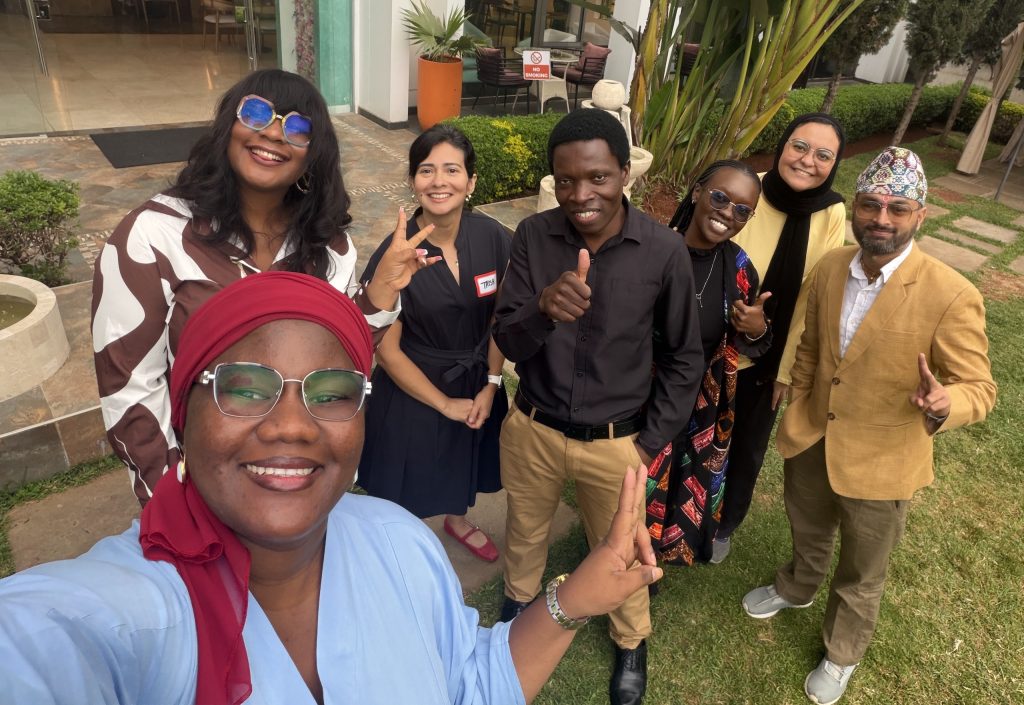
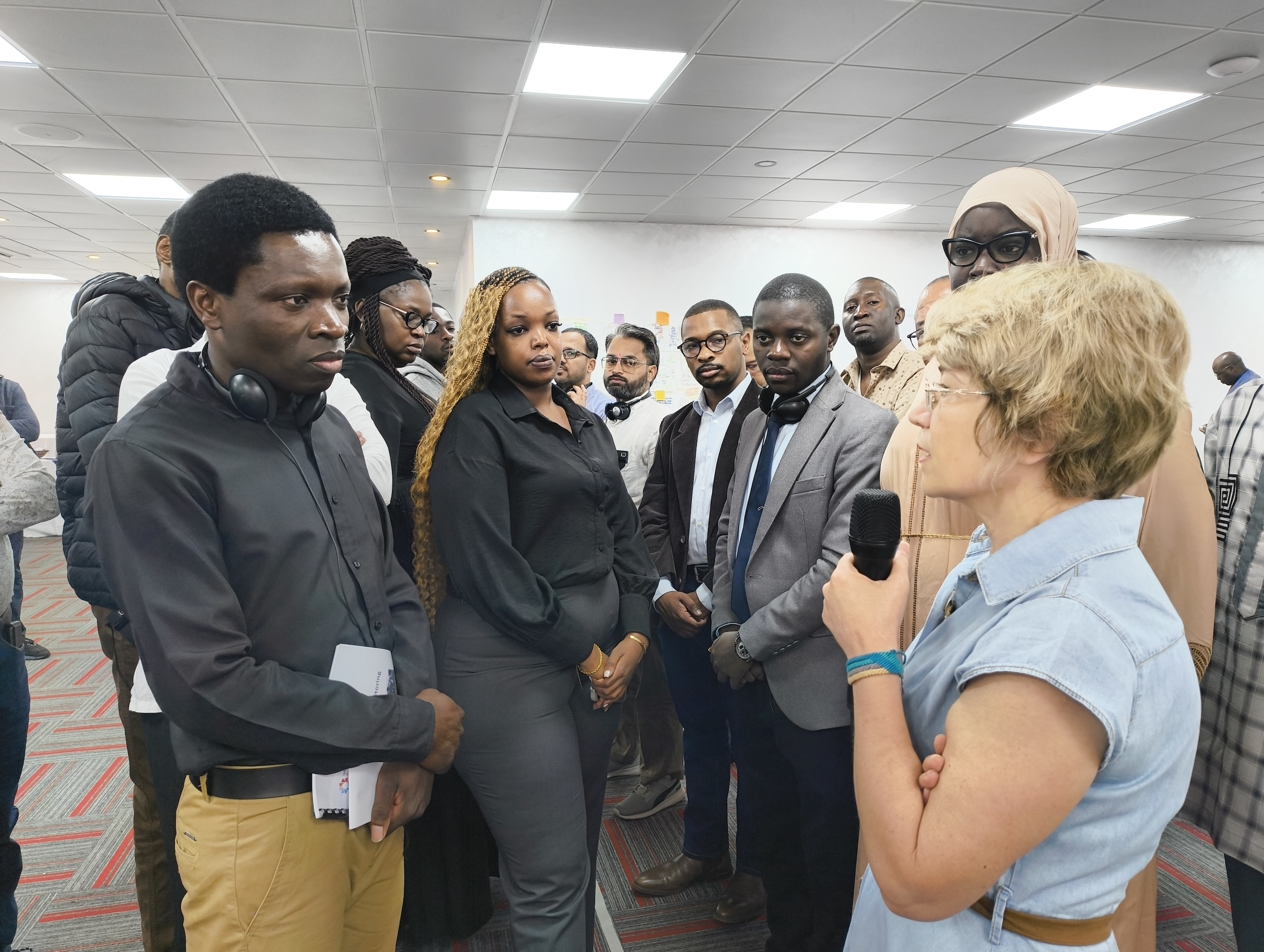
Participants from several countries and IBP staff connect on the sidelines of the Nairobi exchange
Through the European Union (EU)-funded third phase of the Collaborating for Open and Accountable Budgets, IBP and its partners will conduct a Health Budget Credibility module in the next Open Budget Survey, which is expected to begin in mid-2027. The module will examine the accountability systems that influence whether health budgets are implemented as planned, including how governments explain and justify deviations between approved budgets and actual spending in their budget reports. The findings will be used by partners to flag these deviations during budget implementation and to, longer-term, generate the political will and coordination needed to identify and address bottlenecks and sustain better budget execution in the health sector.
In Nepal, Sri Lanka, Cambodia, Tanzania, and the Kyrgyz Republic, and beyond, we will keep building on the foundations already laid for stronger community participation and civil society oversight. Our goal is to help people have greater influence over budget decisions, track how public resources are spent and hold decision-makers accountable for ensuring that funding delivers the essential services communities need.